November 12, 2026
Emergency Dentist Tips for Choosing Urgent Care During Off Hours
By @dominickoczi123
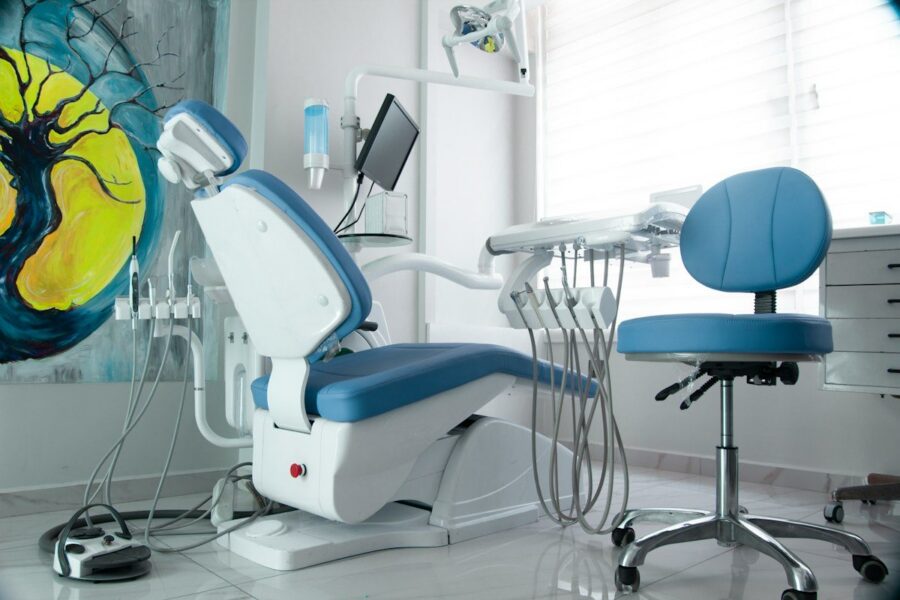
Tooth pain has a way of shrinking your world. It is hard to think clearly, hard to sleep, and nearly impossible to judge whether you are dealing with a painful inconvenience or a true dental emergency. The timing often makes it worse. Problems rarely wait for a weekday morning. A cracked molar happens at dinner, a crown pops off during a trip, and a child wakes up at 2 a.m. With a swollen face and a fever.
That is when the search for an Emergency Dentist begins, usually under stress and with limited information. The challenge is not simply finding a clinic with a late sign on the door. It is choosing the right kind of urgent care, during hours when regular offices are closed, staff may be limited, and your own judgment is clouded by pain.
Patients often assume all after-hours dental care is roughly the same. It is not. Some offices are well equipped for trauma, severe infections, and emergency extractions. Others are better suited for temporary pain relief and basic stabilization until your usual dentist can take over. Knowing the difference can spare you a long night, an unnecessary bill, or a delay in treatment that makes a manageable problem more serious by morning.
The first decision is not where to go, but whether it is truly dental
One of the most important distinctions during off hours is whether the issue belongs with an emergency dentist, an urgent care clinic, or a hospital emergency department. People mix these up all the time, and the overlap can be confusing.
A knocked-out adult tooth after a fall is usually a dental emergency. A severe toothache with facial swelling may be a dental emergency, but if the swelling is spreading toward the eye or neck, or if breathing or swallowing becomes difficult, it crosses into a medical emergency. A broken filling that is annoying but not agonizing can often wait until morning. Uncontrolled bleeding after an extraction should not.
In practice, some cases sit in the gray area. A patient with a visible gum abscess and a temperature of 100.8 may do well with an emergency dental visit that same evening. A patient with the same abscess plus chills, rapid swelling, and trouble opening the Emergency Dentist mouth may need hospital care first. That is not alarmism. Dental infections can move faster than people expect, especially around lower molars where swelling can spread into deeper tissues.
If pain is intense but you are alert, breathing comfortably, and able to manage fluids, an emergency dentist is often the right first call. If you have trauma beyond the mouth, signs of a broken jaw, heavy bleeding, or any breathing concern, skip the dental search and go directly to emergency medical care.
What “after-hours dental care” really means
Off-hours dental care comes in a few forms, and they do not all operate with the same resources. Some private practices rotate emergency coverage and will see existing patients after hours. Some group practices keep extended evening or weekend blocks. Some walk-in dental centers focus almost entirely on urgent cases. A few larger markets have dedicated emergency dental clinics that function more like urgent care centers for oral problems.
Each model has trade-offs.
A private dentist who opens the office for an existing patient may know your history and previous work, which is a major advantage if the issue involves a recent crown, root canal, or extraction. The downside is that the office may not be staffed like a full daytime clinic. You might receive an exam, an X-ray, and a stabilizing treatment, with definitive work scheduled later.
A walk-in emergency clinic may be easier to access on a Sunday afternoon, but the clinician will be meeting you cold. If you have complex restorations, implants, or medical conditions, that lack of history matters. It does not make the clinic a poor choice, but it means you should be ready to provide details.
Hospital emergency rooms occupy a different category. They can manage pain, swelling, trauma, and life-threatening complications. They usually cannot perform the same range of definitive dental treatment that a dentist can. Many patients leave the ER with medication, advice, and a referral to follow up with dental care the next day. That can be appropriate, but it can also be frustrating if you expected the tooth itself to be fixed that night.
The signs that call for immediate action
When people hesitate, they usually do so for understandable reasons. They hope the pain will settle down, they worry about cost, or they are unsure whether they are overreacting. A few symptoms should push you past that hesitation.
- swelling of the face, gums, or jaw that is increasing quickly
- fever along with tooth pain, swelling, or foul-tasting drainage
- a permanent tooth that has been knocked out or displaced
- bleeding that does not slow after firm pressure
- severe pain after trauma, especially if the bite feels suddenly uneven
Those signs do not always mean the same treatment, but they do mean the situation deserves prompt evaluation. Timing matters. A knocked-out tooth, for example, has the best chance of being saved if treated quickly, often within about 30 to 60 minutes. That is one of the few situations in dentistry where minutes genuinely count.
How to judge an emergency dentist when you are under pressure
The best choice during off hours is rarely the one with the flashiest ad. It is the office that can tell you clearly what they can do, when they can see you, and whether your problem fits their scope.
Start with the phone call. Even if you found the clinic through an online search, the call tells you a lot. A capable team should ask pointed questions: where the pain is located, whether there is swelling, whether trauma occurred, whether you have fever, how long symptoms have been present, and what medications you have taken. If the person answering simply tells you to come in without triage questions, that is not reassuring.
You are listening for more than politeness. You are trying to learn whether the office understands urgency. A strong after-hours team usually explains whether they can provide definitive treatment that night or only a temporary measure. They should also tell you what to bring, whether imaging is available, and what payment or insurance expectations apply.
Location matters, but not as much as capability. A clinic ten minutes away that cannot perform an extraction, treat dental trauma, or prescribe appropriately may be less useful than one twenty-five minutes away that can manage the problem fully. During a true emergency, a short delay to reach the right provider is often worth it.
Look as well at the scope of treatment described on the clinic website, but read carefully. “Emergency care” is a broad phrase. One office may mean they can evaluate pain and prescribe medication. Another may mean they can perform root canals, drainage procedures, repairs for fractured teeth, and extractions after hours. Those are very different levels of care.
Questions worth asking before you get in the car
A brief call can save a long and miserable detour. You do not need an interrogation, but a few questions can clarify whether the office is right for your situation.
- Can you see me tonight, and is the dentist on site or on call?
- Do you handle my specific issue, such as infection, broken tooth, lost crown, or trauma?
- Will you have X-rays available during the visit?
- Are you able to provide definitive treatment tonight, or only temporary relief?
- What should I bring, and what fees or deposits should I expect?
That last point deserves special attention. Cost should never keep someone from seeking help for swelling, trauma, or severe infection, but surprise billing can add stress when a patient is already vulnerable. Many emergency dental visits involve a separate charge for the evaluation, X-rays, and the treatment itself. If sedation is offered, fees may increase further. A good office should be able to give at least a rough range, even if they cannot quote a final number until the dentist examines you.
Online reviews help, but only if you read them like a clinician
During business hours, a patient has time to compare dozens of options. At 11 p.m., you probably do not. Reviews can still help, but they need context.
Focus less on generic praise and more on comments that describe real emergency scenarios. A review saying, “The waiting room was beautiful,” tells you very little. A review saying, “They saw my son after a baseball injury, took X-rays immediately, explained the options, and coordinated next-day follow-up,” tells you more.
Watch for patterns rather than isolated complaints. One bad review about wait time on a busy holiday weekend does not say much. Multiple reviews describing rushed assessments, poor pain control, or refusal to explain next steps are more meaningful.
Also be realistic. Off-hours care is not always smooth. Staff may be smaller, waits may be longer, and definitive treatment may take two visits. The best emergency dentist is not the one promising perfection. It is the one communicating honestly under pressure.
A practical difference many patients miss: pain relief versus problem solving
A common source of disappointment in urgent dental visits is the gap between what patients hope for and what the office can safely do at that hour. Sometimes the goal of an emergency appointment is to solve the entire problem. Other times the goal is to get you through the night in a safer, more stable condition.
Take a cracked tooth with exposed dentin. If the crack is limited, the dentist may be able to smooth the area, place a temporary restoration, and reduce pain significantly. If the crack appears to extend deep below the gumline, the dentist may stabilize the tooth but postpone a more permanent decision until better imaging or specialist follow-up is available.
The same is true for infections. Patients often think antibiotics alone “fix” the issue. They do not. If the source is a dying tooth or a pocket of infection that needs drainage, medication can buy time, but it does not remove the cause. An experienced emergency dentist will say this clearly. That honesty matters, even if it is not what you hoped to hear at midnight.
Special situations that change the best choice
Not every patient should use the same decision process. Children, older adults, and medically complex patients each have different considerations.
For children, ask whether the office routinely treats pediatric emergencies. Managing a loosened baby tooth is different from treating an avulsed permanent incisor in a ten-year-old. The right provider should be comfortable not just with treatment, but with calming a frightened child and explaining what can wait and what cannot.
For older adults, dentures, crowns, root fractures, blood thinners, and dry mouth often complicate the picture. A minor injury can lead to disproportionate soreness, and post-extraction bleeding may be harder to control. If the patient has memory issues or a significant medical history, bring a medication list if possible.
Patients with diabetes, immune suppression, recent joint replacements, or active cancer treatment should mention that immediately. Those details may affect how aggressively an infection is treated and whether a simple office visit is sufficient. What looks like a standard toothache in one person may deserve a more cautious plan in another.
What to do while you are waiting to be seen
The interval between the phone call and the appointment often feels endless. A few basic measures can make things more manageable and, in some cases, protect the tooth or surrounding tissues.
If a permanent tooth has been knocked out, handle it by the crown, not the root. If it is dirty, rinse it gently with clean water for a few seconds. Do not scrub it. If you can place it back into the socket easily and safely, that may help preserve it. If not, keep it moist in milk or a tooth preservation solution if available. Dry storage is a bad idea.
If there is swelling or trauma, apply a cold compress to the outside of the face in short intervals. For bleeding, use clean gauze or cloth with steady pressure. For pain, many adults can take over-the-counter medication if they normally tolerate it, but follow package directions and personal medical advice. Avoid placing aspirin directly on the gum. People still try this, and it can burn tissue without helping much.
A lost filling or crown is rarely dangerous in the same way as an abscess or injury, but the exposed tooth can become exquisitely sensitive. Keeping the area clean and avoiding chewing on that side can prevent the night from getting worse before you arrive.
Why “24/7” claims deserve a careful reading
Plenty of dental websites market themselves as available around the clock. Sometimes that means a live scheduler answers the phone at all hours. Sometimes it means a dentist truly provides overnight care. Sometimes it means you can request an appointment online and receive a callback in the morning. Those are not equivalent.
I have seen patients assume they had secured immediate treatment because a site advertised twenty-four-hour emergency service, only to find out the office was closed and the next available chair was the following afternoon. That does not make the office dishonest in every case, but it does mean the wording can be looser than the patient expects.
The safest approach is simple. Confirm the actual appointment time, the physical location, and whether a licensed dentist will evaluate you during that visit. If the office cannot answer that plainly, keep calling.
Insurance matters, but urgency matters more
Off-hours care raises understandable questions about coverage. Many dental plans cover emergency exams and X-rays, but the amount varies. Some plans treat after-hours visits like any other dental encounter. Others have narrower networks, higher out-of-pocket costs, or separate limits for major treatment. Medical insurance may enter the picture if there is facial trauma or hospital-level care, but that is a different process.
If your pain is severe or there is visible swelling, do not delay treatment while trying to optimize network benefits. The financial difference between in-network and out-of-network is usually smaller than the cost of letting an infection progress or a fractured tooth split further. Get the problem assessed, keep receipts and records, and sort out reimbursement once the immediate risk is under control.
That said, a responsible office should still explain charges in plain terms. You should know whether you are paying only for an emergency exam or also for treatment that same night. Clarity is part of good care.
Red flags that suggest you should look elsewhere
A strong emergency dental provider does not need to oversell. In fact, the most reliable offices tend to speak with more precision and less hype. Be cautious if the office promises a one-size-fits-all fix before hearing your symptoms. Be cautious if they refuse to discuss who will see you, whether imaging is available, or whether your issue may need referral. Be especially cautious if they push treatment without explaining alternatives, likely next steps, or what happens if the temporary fix fails.
Anxiety makes patients vulnerable to bad decisions. Pain makes them even more so. A good Emergency Dentist knows that and does not exploit it. They move quickly, but they do not rush your consent.
The value of follow-up after the urgent visit
Many emergency encounters are only the first step. Even when pain drops dramatically after treatment, follow-up often determines whether the problem is truly resolved. A temporary filling may need replacement. A tooth that was repositioned after trauma needs monitoring. A drained abscess still needs definitive dental treatment. A crown that was recemented may hide recurrent decay beneath it.
This is where patients sometimes slip. They feel better, decide the crisis is over, and postpone the recommended return visit. A week later, the pain is back. A month later, the treatment is more complex. Emergency care is at its best when it stabilizes the situation and hands off smoothly to a planned next step, either with your regular dentist or with a specialist.
If the emergency office gives you records or X-rays, save them. If they recommend seeing your own dentist within a certain window, take that seriously. Continuity matters more in dentistry than many people realize.
Choosing well before you ever need urgent care
The easiest emergency to manage is the one you prepare for before it happens. Most people do not research an emergency dentist until they are already in pain. That is understandable, but it is not ideal. If you have a regular dentist, ask now what happens after hours. Do they have an emergency number, rotating coverage, or a partner office for weekends? If you do not have a regular dentist, identify one or two reputable urgent dental options in your area before you need them.
This is especially wise for parents, frequent travelers, and anyone with a history of dental infections, cracked teeth, or complex restorative work. Knowing where to call removes one layer of panic when something goes wrong.
Off-hours dental decisions are rarely made in perfect conditions. They are made in kitchens, hotel rooms, parking lots, and dim bedrooms while someone holds an ice pack against a swollen cheek. Under those circumstances, the goal is not to become a dental expert overnight. The goal is to identify who can assess the situation safely, treat what needs immediate care, and tell you honestly what comes next.
That is the standard worth looking for. Not just availability, but judgment. Not just a late appointment, but the right one.
Smyle Dental Newhall
23754 Newhall Ave
Santa Clarita, CA 91321, United States
+16612559200
FAQ About Emergency Dentist
Will the ER do anything for dental pain?
An emergency department can assess serious complications and provide temporary care, but it usually cannot provide definitive dental treatment such as a filling or root canal. A dentist needs to identify and treat the cause. Call 911 or seek emergency medical care for difficulty breathing or swallowing, major facial injury, or uncontrolled bleeding.
What qualifies as a dental emergency?
A knocked-out permanent tooth, severe or persistent dental pain, swelling, and a broken tooth with pain need prompt professional assessment. Contact a dentist immediately for guidance on how urgently to be seen. Rapidly spreading swelling or swelling that affects breathing or swallowing requires emergency medical care.
What to do if I have a dental emergency in the middle of the night?
Call your dentist's office for after-hours instructions. Smyle Dental Newhall can be reached at (661) 255-9200; confirm when treatment is available. Do not wait for the office to open if you have trouble breathing or swallowing, uncontrolled bleeding, or a major facial injury. For a toothache while arranging dental care, gently rinse with warm water and avoid putting aspirin directly on the tooth or gums.
❧